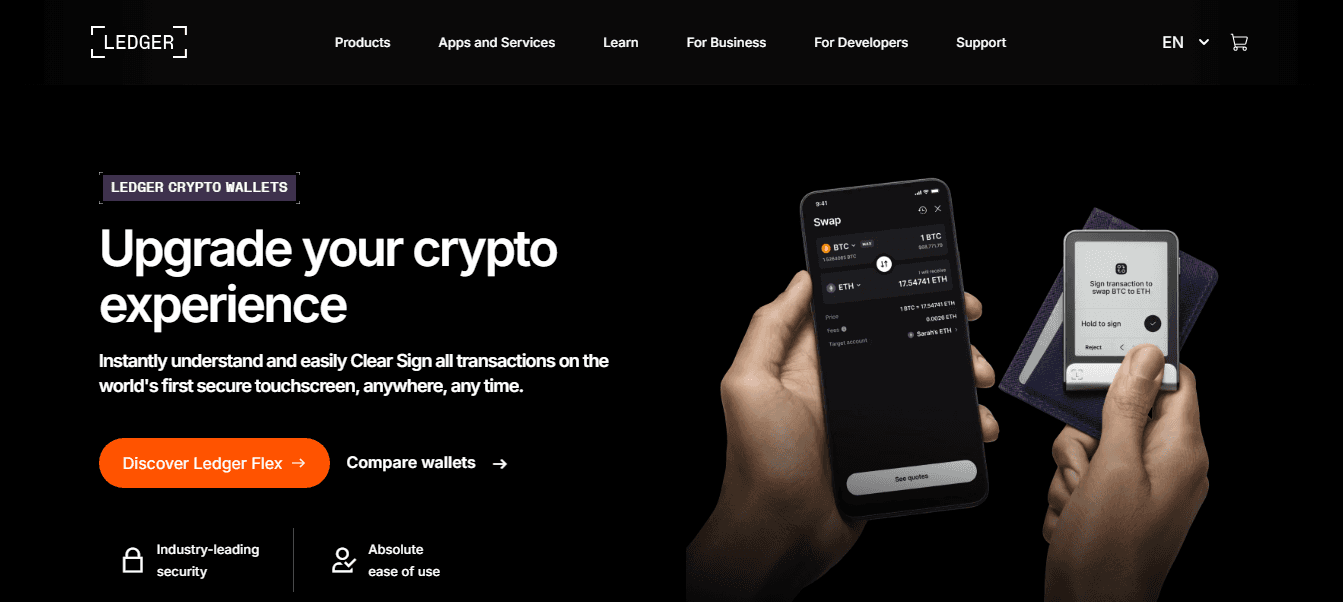
Ledger Login: A Complete Guide to Accessing Your Cryptocurrency Safely
As cryptocurrency continues to grow in popularity, security has become a top concern for investors. Ledger, one of the leading providers of hardware wallets, allows users to store and manage their digital assets with a high level of security. Accessing your Ledger account safely is the first step in managing your cryptocurrency, whether it’s sending, receiving, or tracking balances. Understanding the Ledger login process, security measures, troubleshooting potential issues, and following best practices is essential to keep your funds safe.
This guide provides an in-depth look at Ledger login, explaining everything from hardware setup to secure access via Ledger Live.
Introduction to Ledger and Ledger Login
Ledger is a company that produces hardware wallets designed to protect cryptocurrency assets from online threats. Its popular devices, the Ledger Nano S and Ledger Nano X, store private keys offline. Ledger Live is the companion software that allows users to interact with their wallets, check balances, manage multiple accounts, and execute transactions.
Ledger login is the process of connecting your hardware wallet to Ledger Live, unlocking access to your funds, and securely performing transactions. Unlike traditional online accounts, Ledger login relies heavily on the physical device and the recovery phrase to ensure security.
Ledger Login Methods
Ledger login involves multiple components, combining hardware and software authentication for maximum security. The key login methods include:
1. Hardware Device Access
The Ledger device itself is central to the login process. Users must connect the device to a computer or mobile device to interact with Ledger Live.
2. PIN Authentication
Each Ledger device requires a PIN, chosen during initial setup. The PIN must be entered on the device itself to unlock it and grant access to your cryptocurrency accounts.
3. Ledger Live Software Login
Ledger Live acts as the interface for managing assets. While it does not store private keys, it reads data from the hardware wallet and allows users to monitor balances, send or receive cryptocurrency, and track multiple accounts.
4. Recovery Phrase
Ledger generates a 24-word recovery phrase during setup. This phrase is crucial for restoring the wallet if the device is lost, damaged, or replaced. Ledger login security relies heavily on the privacy of this recovery phrase.
Setting Up Your Ledger Account
Before you can log in to Ledger Live and manage your cryptocurrency, you must set up your Ledger device. Here’s a step-by-step guide:
Step 1: Initialize Your Ledger Device
Turn on your Ledger Nano S or X and select “Set up as new device” if it is not already configured.
Step 2: Create a PIN
Choose a four- to eight-digit PIN. This PIN is required every time you unlock your Ledger device. Pick a combination that is easy for you to remember but hard for others to guess.
Step 3: Record Your Recovery Phrase
Ledger will display a 24-word recovery phrase. Write it down carefully on the provided card or another secure location. This phrase is your ultimate backup; it should never be stored digitally or shared with anyone.
Step 4: Install Ledger Live
Download Ledger Live on your computer or mobile device. Ledger Live enables account management, transaction execution, and portfolio tracking.
Step 5: Add Cryptocurrency Accounts
Within Ledger Live, add the cryptocurrencies you want to manage. The app supports multiple digital assets, allowing users to view balances and perform transactions securely.
Step-by-Step Ledger Login Process
Logging into Ledger Live requires both software and hardware authentication:
1. Connect Your Device
Plug your Ledger device into your computer using a USB cable, or connect via Bluetooth if using a Ledger Nano X with a mobile device.
2. Enter the Device PIN
Input your chosen PIN on the Ledger device to unlock it.
3. Open Ledger Live
Launch Ledger Live and ensure it is updated to the latest version for security and functionality.
4. Select Your Account
Choose the cryptocurrency account you want to access. Ledger Live will fetch data directly from the device and display balances and transaction history.
5. Confirm Transactions
Any cryptocurrency transactions require approval on the Ledger device itself. This ensures that unauthorized users cannot move funds even if they have access to your computer.
Ledger Login Security Features
Ledger provides several layers of security to protect your cryptocurrency:
1. Offline Private Keys
Private keys remain on the hardware wallet and are never exposed online, minimizing the risk of hacking.
2. Device PIN
The PIN adds an extra layer of security. Without it, the Ledger device cannot be unlocked.
3. Recovery Phrase
The 24-word recovery phrase allows you to restore your wallet if the device is lost or damaged. Its secrecy is critical for account security.
4. Transaction Verification
All transactions must be physically confirmed on the Ledger device, preventing unauthorized transfers even if malware is present on your computer.
5. Ledger Live Protection
Ledger Live communicates securely with the hardware device, verifying operations, checking firmware, and maintaining account integrity.
Troubleshooting Ledger Login Issues
Despite the robust design, users may encounter login difficulties. Here are common problems and their solutions:
1. Incorrect PIN
Multiple incorrect PIN entries can lock the device temporarily or trigger a reset. Always enter your PIN carefully.
2. Device Not Detected
Issues connecting the Ledger device can stem from outdated drivers, faulty cables, or USB port problems. Ensuring a proper connection and updating Ledger Live usually resolves this.
3. Ledger Live Software Errors
Outdated or corrupted Ledger Live software may prevent login. Reinstalling or updating the software can fix most issues.
4. Lost Recovery Phrase
Without the recovery phrase, you cannot restore your wallet if the device is lost or damaged. Always store it securely offline.
Mobile Ledger Login Advantages
Ledger Live on mobile devices allows users to manage assets securely on the go:
Bluetooth-enabled Ledger Nano X access
Biometric login options for speed and convenience
Push notifications for transactions and account activity
Easy monitoring of portfolio balances and transaction approvals
Mobile login combines convenience with Ledger’s security model, ensuring safe access anywhere.
Best Practices for Ledger Login Security
To maximize the safety of your Ledger account:
Keep the Device Offline When Not in Use – Reduces online exposure.
Use a Strong, Unique PIN – Avoid predictable numbers like birthdays.
Safeguard the Recovery Phrase – Never store it digitally or share it.
Update Ledger Live Regularly – Ensures you have the latest security improvements.
Confirm Transactions on the Device – Avoid authorizing without verifying details.
Be Vigilant Against Phishing Attempts – Only open Ledger Live directly, not through emails or links.
Why Ledger Login Security is Important
Cryptocurrency transactions are irreversible. If your Ledger login is compromised:
Funds can be stolen
Unauthorized transactions may occur
Personal information could be exposed
Recovery becomes difficult without the 24-word phrase
Following proper login and security procedures ensures your cryptocurrency remains protected.
Conclusion
Ledger login combines hardware and software authentication to provide a secure gateway for cryptocurrency management. By setting up your device correctly, using a strong PIN, safeguarding the recovery phrase, and using Ledger Live effectively, you can access your assets safely. Ledger’s offline private key storage, transaction verification, and multi-layered security make it one of the most trusted methods for managing cryptocurrencies. By following best practices and remaining vigilant, users can confidently manage, store, and transact digital assets without fear of unauthorized access.