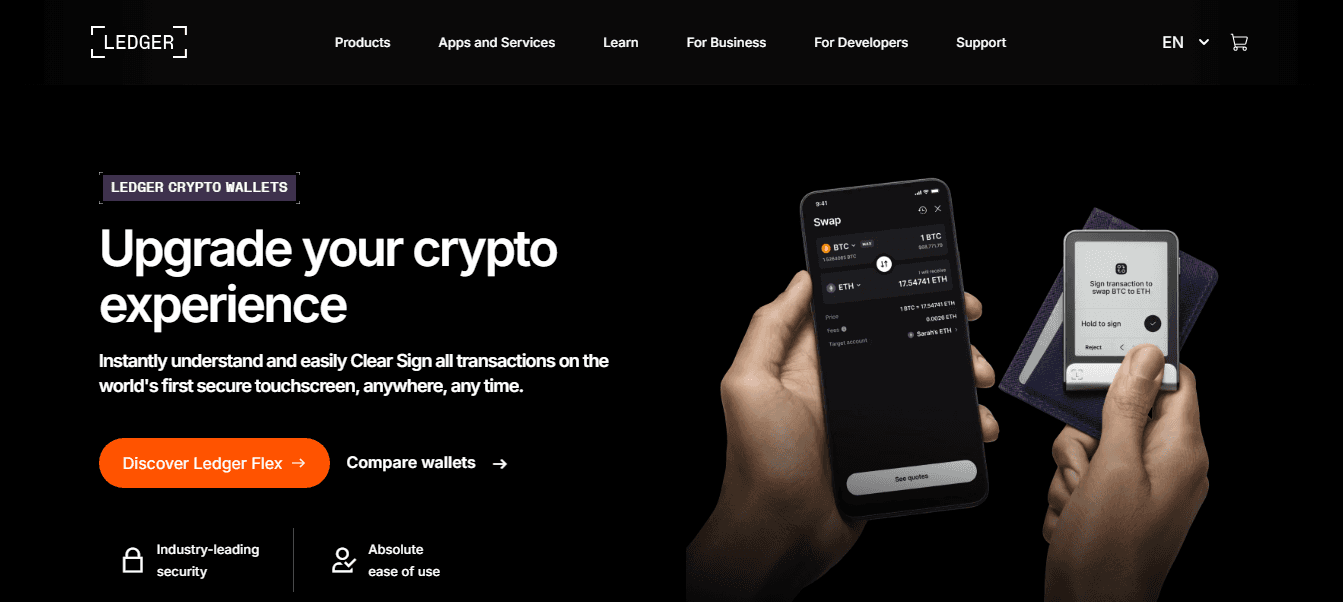
Ledger Login: Secure Access to Your Cryptocurrency Wallet
Ledger is a widely used hardware wallet provider designed to help individuals manage and protect their cryptocurrency assets. In the digital age, security is essential, and Ledger’s combination of hardware and software offers users robust protection against online threats. Accessing your Ledger wallet safely, whether through the Ledger device itself or Ledger Live, is crucial for monitoring balances, performing transactions, and keeping your assets secure. Understanding the Ledger login process, setting up your wallet correctly, and following best security practices ensures that your cryptocurrency remains protected at all times.
This guide offers a detailed overview of Ledger login, from device setup and authentication to troubleshooting common issues and maintaining security.
Understanding Ledger and Its Login System
Ledger’s hardware wallets, including Ledger Nano S and Ledger Nano X, store private keys offline. This ensures that sensitive information is never exposed to the internet, reducing the risk of hacking. Ledger Live, the companion software, allows users to manage multiple cryptocurrency accounts, monitor balances, send or receive funds, and track transactions.
Ledger login is the process of connecting your hardware wallet to Ledger Live, unlocking access, and performing transactions securely. Unlike traditional online accounts, Ledger login relies on physical authentication and recovery phrases instead of solely passwords.
Ledger Login Methods
Ledger uses a combination of hardware and software authentication methods to maintain security. The main methods include:
1. Device PIN
When setting up your Ledger wallet, you choose a PIN code. This PIN must be entered each time you unlock the device, providing a strong first line of defense against unauthorized access.
2. Ledger Live Interface
Ledger Live is the software that interacts with your device. Logging in requires connecting your Ledger wallet, opening Ledger Live, and accessing the accounts you have added.
3. Recovery Phrase
During setup, Ledger generates a 24-word recovery phrase. This phrase is essential for restoring your wallet if the device is lost or damaged. Ledger login security depends heavily on keeping this phrase private and offline.
Setting Up a Ledger Wallet
Before you can log in and manage cryptocurrency, the Ledger device must be properly set up. Here’s how:
Step 1: Power on the Device
Turn on your Ledger Nano S or Nano X and select the option to set up a new device if it hasn’t been initialized.
Step 2: Create a PIN
Choose a PIN code. This will be required every time you log in to the Ledger device, ensuring that only you can unlock the wallet.
Step 3: Record the Recovery Phrase
Ledger will display a 24-word recovery phrase. Write it down carefully on the provided card or another secure offline location. Never store this phrase digitally, as it is the key to restoring your wallet.
Step 4: Install Ledger Live
Download Ledger Live on your computer or mobile device. Ledger Live allows you to add accounts, monitor balances, and manage multiple cryptocurrencies.
Step 5: Add Cryptocurrency Accounts
Within Ledger Live, you can add supported cryptocurrencies, view balances, and prepare to perform transactions. The software does not store private keys but communicates with the device to manage your funds securely.
Step-by-Step Ledger Login Process
Logging into Ledger involves both the hardware wallet and Ledger Live. The process is as follows:
1. Connect Your Device
Attach your Ledger device to your computer using a USB cable or connect via Bluetooth for Ledger Nano X on mobile.
2. Enter the PIN
Type your PIN directly on the Ledger device to unlock access.
3. Open Ledger Live
Launch Ledger Live and ensure the application is updated to the latest version for security.
4. Access Your Accounts
Choose the cryptocurrency account you want to access. Ledger Live will pull account information from the device, displaying balances and transaction history.
5. Approve Transactions
Any outgoing transactions must be physically confirmed on the Ledger device. This step ensures funds cannot be moved without your authorization.
Ledger Login Security Features
Ledger combines multiple layers of security to protect user funds:
1. Offline Private Keys
All private keys are stored on the hardware device, preventing exposure to online threats.
2. PIN Protection
The device PIN ensures that even if someone physically possesses the wallet, it cannot be accessed without the correct code.
3. Recovery Phrase
The 24-word recovery phrase allows wallet restoration in case of device loss or damage. Protecting this phrase is critical.
4. Transaction Verification
All transactions require manual confirmation on the Ledger device, preventing unauthorized transfers.
5. Ledger Live Security
Ledger Live communicates securely with the hardware device, verifying operations and checking firmware updates for enhanced safety.
Troubleshooting Common Ledger Login Issues
Even with robust security, users may encounter login challenges. Common problems include:
1. Incorrect PIN
Entering the wrong PIN multiple times can temporarily lock the device or trigger a reset. Always enter the PIN carefully.
2. Device Connection Issues
Connection problems may be caused by outdated drivers, faulty USB cables, or software issues. Check cables and update Ledger Live to resolve most issues.
3. Ledger Live Errors
Outdated or corrupted Ledger Live software can prevent login. Reinstalling or updating the application is usually effective.
4. Lost Recovery Phrase
Without the recovery phrase, wallet restoration is impossible. Always store it offline and in a secure location.
Mobile Ledger Login Advantages
Ledger Live mobile provides convenient, secure access to your accounts:
Bluetooth support for Ledger Nano X
Biometric login options for quick access
Real-time push notifications for transactions
Portfolio monitoring and approval of transactions on the go
Mobile login ensures that users can manage cryptocurrency safely, even while away from their computer.
Best Practices for Ledger Login Security
To maximize the safety of your Ledger account:
Keep the Device Offline When Not in Use – Reduces exposure to online threats.
Use a Strong PIN – Avoid predictable codes such as birthdays.
Safeguard the Recovery Phrase – Never store it digitally or share it.
Update Ledger Live Regularly – Keeps security features current.
Verify All Transactions on the Device – Avoid confirming without reviewing details.
Be Cautious of Phishing Attempts – Always access Ledger Live directly.
Why Ledger Login Security is Critical
Cryptocurrency transactions are irreversible. A compromised Ledger login can result in:
Loss of funds
Unauthorized trades
Exposure of sensitive information
Inability to recover funds without the recovery phrase
Proper login procedures, strong PINs, and offline protection are essential for safeguarding your digital assets.
Conclusion
Ledger login combines hardware and software security to provide a safe way to manage cryptocurrency. By setting up your Ledger device properly, using a secure PIN, safeguarding the recovery phrase, and using Ledger Live responsibly, you can manage, track, and transact your assets safely. Ledger’s combination of offline private keys, transaction verification, and multi-layered security makes it one of the most trusted methods for storing and accessing cryptocurrencies. Adhering to best practices and staying vigilant ensures your digital assets remain secure at all times.